

Task avoidance isn't laziness—it's your brain's response to feeling overwhelmed. If you have ADHD, even simple tasks can feel impossible when your executive function works differently. Learn why your brain sees tasks as mountains instead of manageable steps, and discover strategies to break the avoidance cycle.
Category: Young Adult Mental Health
Young adult therapy addresses the unique challenges faced during this transformative life stage. At Personal Balance Counseling, we understand that navigating your twenties and early thirties brings distinct mental health needs. This period often involves major transitions like finishing school, starting careers, or building new relationships. Many young adults struggle with identity questions, overwhelming stress, and uncertainty about the future. Our resources in this category offer guidance on developing healthy coping skills for this demanding season. You’ll find articles about managing anxiety during life transitions, building self-confidence, and establishing meaningful connections. We also explore common concerns like imposter syndrome, relationship patterns, and work-life balance. These evidence-based insights help you understand your experiences and find practical strategies for growth. Whether you’re facing a specific challenge or seeking personal development, young adult therapy provides tools for creating the life you want. Explore our articles to discover support for your journey, and reach out when you’re ready to connect with a counselor who understands your unique needs.
Understanding Workplace Burnout Symptoms and Work Stress
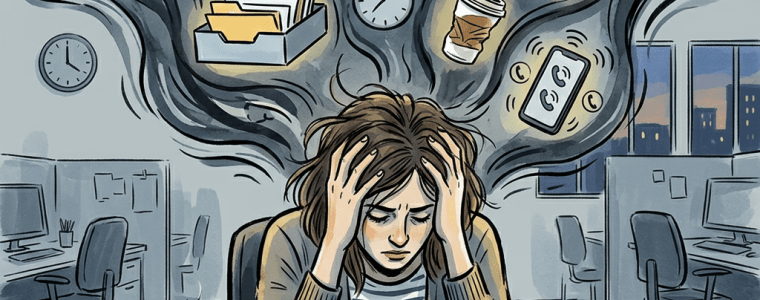
Workplace burnout symptoms go beyond just feeling tired. When job demands consistently exceed your ability to cope, chronic stress affects your body, mind, and relationships. Learn to recognize the physical and emotional warning signs before stress becomes burnout, and discover practical strategies for managing workplace pressure.
Recognizing Teen Anxiety Symptoms: How to Help a Teen With Anxiety

Teen anxiety often looks different than adult anxiety. Instead of expressing worry directly, your teen might show irritability, withdrawal from activities, or physical complaints like stomachaches. Understanding these unexpected signs is the first step toward providing meaningful support during this challenging developmental period.
The Role of Lived Experience in Recovery
The journey of recovery from disordered eating is unique for each individual, involving personalized paths and goals. Evidence-based care, supported by a multidisciplinary team and informed by lived experience, is essential. Building trust and offering guidance tailored to each person's needs fosters healing and demonstrates that recovery is achievable at any age or stage.
Navigating the Return to School After Mental Health Hospitalization: A Guide for Parents and Students

Reintegrating students back into school after inpatient mental health treatment is critical yet challenging. It involves addressing emotional, social, and academic needs, alongside school support systems. Effective transition plans, communication among providers, and peer support are essential for helping students navigate possible stigmas and triggers, fostering their recovery and resilience.
School is in full swing, Mental Health matters right now!

As the school year begins, adolescents face varied challenges. Key tips for managing mental health include establishing a routine, prioritizing sleep, staying active, fostering open communication, and teaching stress management techniques. Parents should connect with their teens, manage their own stress, promote independence, and seek professional help when necessary to support their well-being.
Rising Strong: Conquering the Uncertainty of Young Adulthood

The transition from adolescence to adulthood (ages 18-25) presents unique challenges for emerging adults, impacting mental health. Pressures related to success, independence, relationships, and finances contribute to anxiety and stress. Therapy can support self-discovery, stress management, relationship building, decision-making, and resilience, promoting overall well-being during this crucial phase.