

Your body signals distress before your mind fully registers it. From digestive changes to muscle tension, physical symptoms can appear in surprising ways. Learn to recognize what your body is telling you about stress and take the first step toward better self-care and wellness.
Category: Emotional Regulation
Emotional regulation skills help you manage intense feelings and respond to life’s challenges with greater calm and clarity. At Personal Balance Counseling, we offer evidence-based resources to support your journey toward emotional wellness. Our collection includes DBT-informed techniques, nervous system education, and practical tools you can apply immediately. These approaches teach you to recognize emotional patterns before they escalate. You’ll discover strategies for self-soothing during difficult moments. Additionally, you’ll learn how to build resilience over time. Understanding your body’s stress responses empowers you to interrupt unhelpful cycles. Whether you’re experiencing anxiety, depression, or relationship struggles, developing these capabilities creates lasting change. Therefore, mastering these techniques becomes a foundation for overall mental health. Explore our articles to find compassionate, expert guidance. Ready to strengthen your emotional wellness? Connect with our therapists to begin developing personalized coping strategies today.
Recognizing Caregiver Burnout Symptoms: A Guide to Managing Your Stress

Caring for others takes tremendous energy, and over time, caregiving can lead to complete exhaustion. Caregiver burnout develops gradually when demands exceed your resources. Learn to recognize the physical, emotional, and mental signs of burnout before it severely impacts your health, and discover practical strategies for restoring balance in your life.
Understanding ADHD Task Avoidance and Managing Overwhelm

Task avoidance isn't laziness—it's your brain's response to feeling overwhelmed. If you have ADHD, even simple tasks can feel impossible when your executive function works differently. Learn why your brain sees tasks as mountains instead of manageable steps, and discover strategies to break the avoidance cycle.
Healthy Ways to Navigate Major Life Changes

Major life changes—whether welcome or unwanted—disrupt our routines and challenge our sense of stability. Even positive transitions create stress because they require adaptation. Understanding why change feels difficult and learning healthy ways to navigate transitions makes the adjustment process more manageable and supports your emotional wellbeing.
Understanding Bipolar Feelings: What Does Bipolar Disorder Feel Like?

What does bipolar disorder actually feel like from the inside? Living with intense mood shifts involves more than simple ups and downs. Experience the emotional reality of manic highs, depressive lows, and everything in between. Understanding these feelings helps recognize when support is needed and validates the lived experience of this condition.
How to Support Someone Who Has Bipolar Disorder and Support Your Self
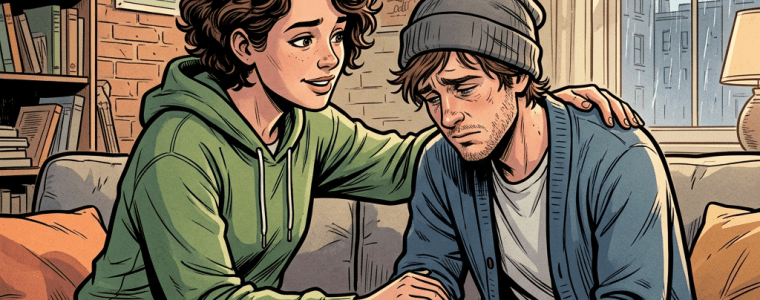
Supporting someone with bipolar disorder can feel overwhelming when you're unsure how to help. Understanding mood episodes and learning effective response strategies makes a real difference. Discover practical ways to provide compassionate support while maintaining your own well-being, creating a healthier dynamic for everyone involved in the relationship.
Why Life Transitions Are So Hard: Understanding Change and Adjustment

Why do life transitions feel so overwhelming, even when they're positive changes? Major shifts disrupt familiar routines and challenge your sense of identity, creating stress regardless of circumstances. Understanding what makes transitions difficult can help you navigate change with greater self-compassion and effective coping strategies.
Understanding Mood Stabilization: What It Means and How It Works
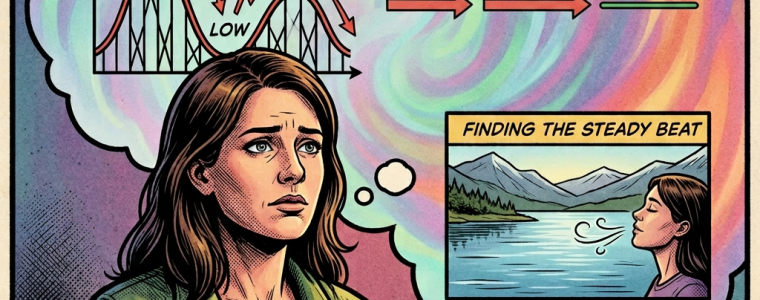
Mood stabilization isn't about becoming emotionally flat or eliminating feelings. It's finding healthy balance where natural ups and downs stay manageable. Discover what mood stabilization actually means, when it becomes important, and which approaches help support emotional balance without losing the richness of human experience and authentic feelings.
Understanding Workplace Burnout Symptoms and Work Stress
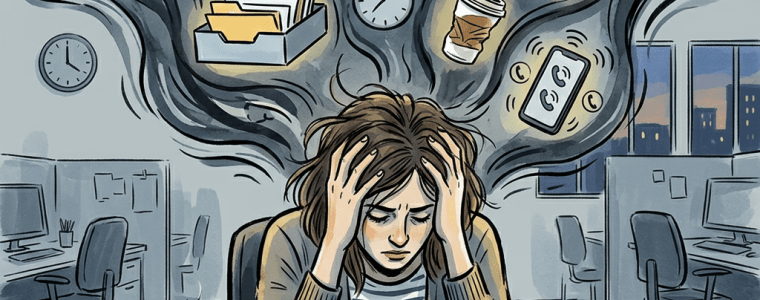
Workplace burnout symptoms go beyond just feeling tired. When job demands consistently exceed your ability to cope, chronic stress affects your body, mind, and relationships. Learn to recognize the physical and emotional warning signs before stress becomes burnout, and discover practical strategies for managing workplace pressure.
Understanding Inward BPD Symptoms: When Borderline Personality Disorder Turns Inside

Borderline personality disorder doesn't always look dramatic or explosive. Inward BPD symptoms turn pain inside, making suffering less visible but equally severe. Learn to recognize these internal experiences, understand the hidden struggles, and discover why recognizing these quieter symptoms matters for getting appropriate support and treatment.