
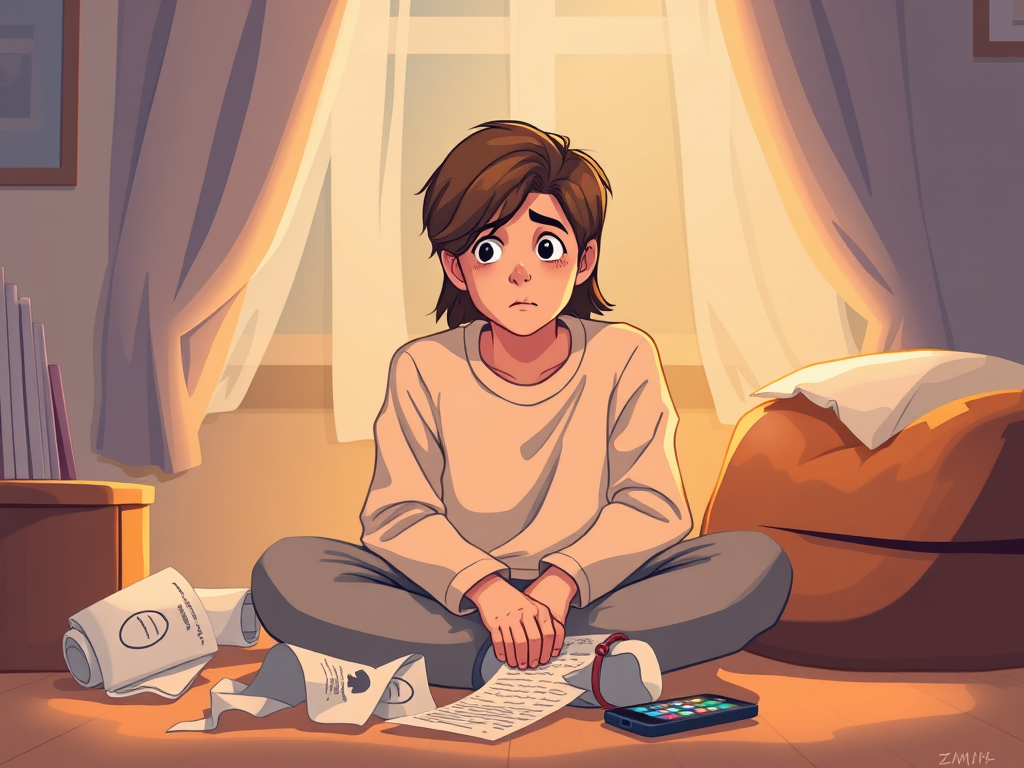
Watching your teen struggle with anxiety is hard. You want to help, but knowing where to start can feel confusing. Understanding what anxiety looks like in teenagers is the first step toward offering meaningful support.
Teen anxiety symptoms often look different from adult anxiety. Teenagers are already dealing with major brain development, social pressures, and identity formation. When anxiety enters the picture, it can show up in unexpected ways.
What Teen Anxiety Symptoms Look Like
Anxiety doesn’t always announce itself clearly. Your teen might not say “I feel anxious.” Instead, you might notice changes in their behavior, mood, or physical health.
Common physical signs include:
- Frequent stomachaches or headaches
- Changes in appetite or eating patterns
- Trouble falling asleep or staying asleep
- Feeling tired despite adequate rest
- Muscle tension or unexplained aches
Emotional and behavioral teen anxiety symptoms might show up as:
- Increased irritability or mood swings
- Withdrawing from friends or activities they used to enjoy
- Avoiding school or specific classes
- Difficulty concentrating on homework
- Seeking constant reassurance
- Perfectionism or fear of making mistakes
- Increased conflict at home
Sometimes anxiety looks like anger or defiance rather than worry. A teen who seems oppositional might actually be avoiding situations that trigger fear.
Why Anxiety Shows Up During Teen Years
The teenage brain is still developing, especially the parts that manage emotions and evaluate risk. This ongoing development can make teens more vulnerable to anxiety.
Social dynamics become incredibly important during adolescence. Fitting in, being accepted, and navigating relationships carry high stakes for teenagers. Their brains are wired to care deeply about peer connections during this stage of life.
Academic pressure often increases in middle and high school. Teens face expectations about grades, college preparation, and future plans. These demands can feel overwhelming, especially for teens who already lean toward anxious thinking.
Social media adds another layer. Constant comparison, fear of missing out, and online social dynamics can fuel teen anxiety symptoms. The pressure to maintain a certain image online creates stress that previous generations didn’t experience.
Creating a Foundation of Support
Your relationship with your teen matters more than you might think. Even when they seem distant or push you away, your support makes a difference.
Start by creating regular opportunities for connection. This doesn’t mean forcing deep conversations. Sometimes the best talks happen during side-by-side activities like cooking, driving, or doing something they enjoy.
Listen without immediately trying to fix or minimize their concerns. When your teen shares something that worries them, resist the urge to say “don’t worry about it” or “that’s not a big deal.” What seems small to you might feel enormous to them.
Validate their feelings even when you don’t fully understand them. You might say “That sounds really stressful” or “I can see why that would feel overwhelming.” Validation doesn’t mean you agree with everything they think; it means you acknowledge their emotional experience as real.
Talking About Teen Anxiety Symptoms
Opening a conversation about anxiety takes care and timing. Avoid bringing up concerns during conflicts or when your teen seems stressed. Find a calm moment when you’re both relatively relaxed.
You might start with what you’ve noticed: “I’ve seen you seem more tired lately” or “You haven’t hung out with your friends as much recently.” Focus on specific observations rather than labels or judgments.
Ask open questions that invite conversation rather than yes/no answers. Try “What’s been on your mind lately?” or “How have things been feeling at school?” Give them space to answer without jumping in too quickly.
If your teen doesn’t want to talk, don’t force it. Let them know you’re available whenever they’re ready. Sometimes teens process things internally before they’re ready to share.
Teaching Practical Coping Strategies
Teens benefit from concrete tools they can use when anxiety hits. These strategies work best when practiced during calm moments, not just during crisis.
Breathing exercises help calm the nervous system. Teach your teen to breathe in for four counts, hold for four, and exhale for six. The longer exhale activates the body’s relaxation response.
Physical movement releases anxious energy. Encourage regular activity your teen actually enjoys, whether that’s sports, dancing, walking, or something else. Exercise doesn’t need to be intense to help with anxiety.
Help them identify activities that genuinely relax them. This might be listening to music, drawing, spending time with pets, or being in nature. What works varies from person to person.
Teach problem-solving skills for worries they can control. Break overwhelming problems into smaller, manageable steps. For worries they can’t control, practice noticing the thought and gently redirecting attention to something else.
When School Becomes a Source of Anxiety
School-related teen anxiety symptoms are incredibly common. Academic pressure, social dynamics, and performance expectations can all trigger anxiety.
Stay in communication with teachers and school counselors. They see your teen in a different context and might notice patterns you don’t see at home. Many schools have support systems specifically for students dealing with anxiety.
Work with your teen to identify specific school stressors. Is it certain classes, social situations during lunch, or something else? Understanding the specifics helps you provide targeted support.
Sometimes accommodations help. Students with anxiety that significantly impacts their learning might benefit from a 504 plan or other formal supports. Talk with school staff about what options exist.
Balance academic expectations with mental health needs. While school matters, your teen’s wellbeing matters more. Sometimes reducing pressure in one area allows them to function better overall.
Knowing When Professional Help Makes Sense
You don’t need to handle everything alone. Professional counseling provides tools and support that parents can’t always offer, no matter how caring you are.
Consider reaching out to a counselor if teen anxiety symptoms:
- Interfere with daily activities like school or friendships
- Persist for several weeks without improvement
- Include panic attacks or intense physical symptoms
- Lead to avoiding important activities
- Affect your teen’s sleep, eating, or basic functioning
- Occur alongside depression, self-harm, or substance use
Finding the right counselor matters. Look for someone who specializes in working with adolescents. Ask your teen to be part of the decision when possible. They’re more likely to engage if they have some choice in the process.
Counseling isn’t a sign of failure. It’s a sign that you’re taking your teen’s mental health seriously and getting them appropriate support.
Taking Care of Yourself Too
Supporting a teen with anxiety takes emotional energy. You can’t pour from an empty cup.
Notice your own stress levels and take them seriously. When you manage your own wellbeing, you model healthy coping for your teen. You also have more patience and presence to offer.
Connect with other parents who understand. Whether through support groups, friends, or online communities, talking with others who get it can help you feel less alone.
Set boundaries when needed. You can be supportive without solving every problem or being available every second. Healthy boundaries actually help your teen build independence and resilience.
Remember This Is a Process
Helping a teen with anxiety isn’t about fixing everything quickly. It’s about showing up consistently, providing support, and getting help when needed.
Teen anxiety symptoms can improve significantly with the right support. Many teens learn to manage anxiety effectively and go on to thrive. Your role isn’t to eliminate all stress from their life; it’s to help them build skills to navigate challenges.
Progress isn’t always linear. Some weeks will feel easier than others. Stay patient with your teen and with yourself. Small steps forward still count, even when bigger struggles remain.
Your teen is lucky to have someone who cares enough to seek information and support. That care and commitment makes more difference than you might realize.
Related Articles
This blog was developed with support from AI-assisted research tools. All clinical content was reviewed and approved by the Clinical Director, who retains full responsibility for accuracy and clinical appropriateness.
Important Medical and Legal Information
🚨 Crisis Support Information
If you are experiencing thoughts of self-harm or suicide, please reach out for immediate help:
- National Suicide Prevention Lifeline: 988
- Crisis Text Line: Text HOME to 741741 (mobile)
- Emergency Services: 911
- International Association for Suicide Prevention: Crisis Centers Directory
Remember: You are not alone, and help is available 24/7. These feelings are temporary, but suicide is permanent.
⚕️ Treatment Information Disclaimer
Important: The treatment information provided here is for educational purposes only and should not replace professional medical advice, diagnosis, or treatment. Always consult with qualified mental health professionals before making decisions about your treatment.
- Treatment approaches vary for each individual
- What works for others may not be suitable for your specific situation
- Professional assessment is necessary to determine appropriate treatment options
To schedule a consultation with Personal Balance Counseling: call (708) 949-8688 or email newclientinfo@personalbalancecounseling.com
🔍 Diagnostic Information Disclaimer
Important Notice: Information about mental health conditions and symptoms is provided for educational purposes only and cannot be used for self-diagnosis.
- Only qualified mental health professionals can provide accurate diagnoses
- Symptoms overlap between many different conditions
- Self-assessment tools are not substitutes for professional evaluation
- Early professional intervention leads to better outcomes
For professional assessment and diagnosis: Schedule an evaluation with our clinical team at (708) 949-8688 or email newclientinfo@personalbalancecounseling.com.
⚖️ Legal and Clinical Disclaimer
Limitation of Liability: Personal Balance Counseling and its staff provide this content for informational and educational purposes only. This content does not establish a therapist-client relationship.
- No Professional Relationship: Reading this content does not create a professional therapeutic relationship
- Not a Substitute for Professional Care: This information cannot replace individual professional mental health services
- Clinical Supervision: All content has been reviewed by licensed mental health professionals
- Emergency Situations: For mental health emergencies, contact emergency services or crisis hotlines immediately
- Individual Differences: Mental health treatment must be individualized and professionally supervised
By continuing to read this content, you acknowledge that you understand these limitations and agree that Personal Balance Counseling is not liable for any actions taken based on this information.
1 comment
Comments are closed.