
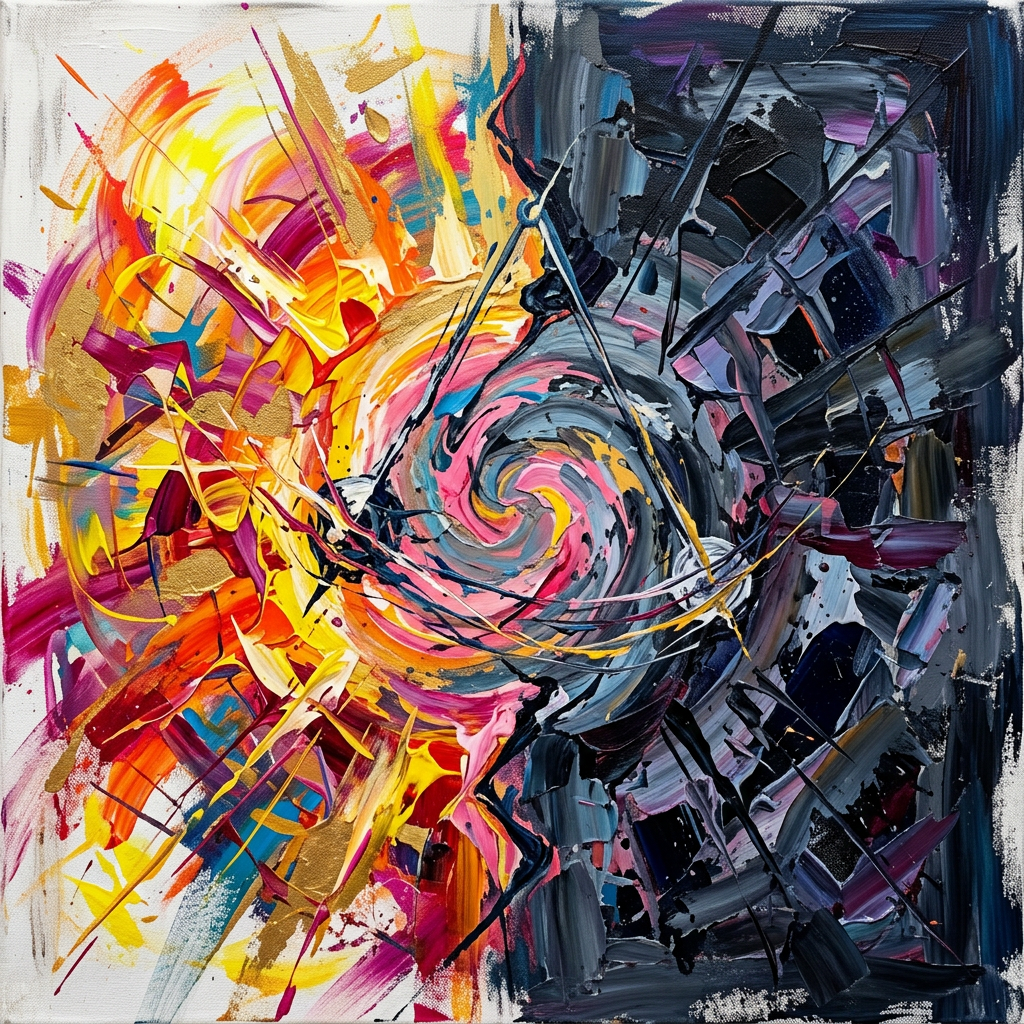
Living with bipolar disorder involves experiencing intense shifts in mood, energy, and thinking. These changes can feel confusing and overwhelming, especially when you’re trying to understand what’s happening in your mind and body. This article explores the emotional experiences that often come with bipolar disorder.
What Are Bipolar Mood Episodes?
Bipolar disorder creates distinct periods of emotional highs and lows that are more intense than typical mood changes. These episodes can last days, weeks, or even months. The feelings during these times are strong enough to affect your daily life, relationships, and ability to function.
During a manic or hypomanic episode, you might feel extremely energized or elevated. During a depressive episode, you might feel deeply sad or empty. Between episodes, many people experience periods of more stable moods.
Feelings During Manic Episodes
A manic episode brings feelings of extreme energy and euphoria. You might feel like you’re on top of the world or capable of anything. This isn’t the same as feeling happy after good news. It’s an intense state that feels different from your usual self.
Common feelings during mania include:
- Extremely happy, “high,” or excited without a clear reason
- Irritable or easily angered, especially when others don’t match your energy
- Restless or unable to slow down your thoughts
- Invincible or overly confident in ways that feel out of character
- Distracted, with your mind jumping quickly between ideas
You might also feel less need for sleep without feeling tired. Your thoughts may race so quickly that it’s hard for others to follow your conversation. Some people describe feeling like their brain won’t turn off.
Feelings During Hypomanic Episodes
Hypomania is similar to mania but less severe. You might feel unusually good, productive, or creative. Many people feel confident and social during these periods. At first, hypomania can feel positive or even enjoyable.
However, hypomania still represents a change from your baseline mood. You might feel:
- More talkative or outgoing than usual
- Unusually optimistic or happy
- More energetic without extra rest
- Confident in ways that seem out of proportion
- Less inhibited in social situations
These feelings may not seem problematic to you, but others might notice changes in your behavior. Hypomania can affect your judgment and lead to decisions you later regret.
Feelings During Depressive Episodes
Depressive episodes in bipolar disorder can feel heavy and exhausting. The sadness goes beyond normal disappointment. It’s a persistent feeling that colors everything in your day.
During depression, you might feel:
- Deeply sad, empty, or hopeless
- Physically and mentally drained, even after rest
- Disconnected from activities you usually enjoy
- Worthless or guilty without clear reasons
- Numb or unable to feel emotions at all
- Anxious or worried alongside the sadness
You may also notice physical sensations like heaviness in your body or difficulty concentrating. Some people describe feeling like they’re moving through thick fog. Everything requires more effort than it should.
Mixed Episodes: When Feelings Collide
Sometimes, symptoms of mania and depression happen at the same time. This is called a mixed episode or mixed features. These periods can feel especially distressing and confusing.
During mixed episodes, you might feel:
- Agitated and sad simultaneously
- Energized but hopeless
- Restless yet exhausted
- Racing thoughts filled with negative content
Mixed episodes are particularly challenging because the feelings seem to contradict each other. You might have the energy of mania but the dark thoughts of depression. This combination can feel unbearable.
The Emotional Exhaustion Between Episodes
Even during stable periods, living with bipolar disorder can be emotionally tiring. You might feel anxious about when the next episode will come. The unpredictability can create ongoing stress.
Many people describe feeling:
- Cautious or worried about mood changes
- Tired from managing the condition
- Frustrated by the impact on their life
- Uncertain about trusting their own emotions
- Relief during stable times mixed with anticipation
These feelings are a normal response to living with a challenging condition. Building skills to manage emotional distress can help during these times.
Physical Sensations That Accompany Emotions
Bipolar disorder doesn’t just affect your emotions. It creates physical sensations that accompany the mood changes. During manic episodes, you might feel jittery or unable to sit still. Your body might feel charged with energy.
During depressive episodes, your body might feel heavy or slow. Getting out of bed can feel physically difficult. You might notice changes in appetite, sleep patterns, or physical comfort.
These physical feelings are real, not imagined. They’re part of how bipolar disorder affects your entire system.
How Feelings Differ Between People
Each person’s experience with bipolar disorder is unique. Your episodes might feel different from someone else’s. The intensity, duration, and specific feelings vary widely.
Some people have more manic episodes, while others experience depression more often. Some have rapid shifts between moods, while others have longer stable periods. Your feelings are valid regardless of how they compare to others’ experiences.
Finding Support for These Feelings
Understanding what you’re feeling is an important first step. Professional treatment can help you develop skills to manage these intense emotions. Therapy approaches like cognitive behavioral therapy and dialectical behavior therapy teach specific coping skills for emotional regulation.
Medication often helps stabilize mood episodes and reduce their intensity. A combination of therapy and medication works well for many people. Building your capacity to adapt and recover—your resilience—takes time and support.
If you’re experiencing these feelings, reaching out to a mental health professional is important. You don’t have to navigate these experiences alone. Treatment can help you understand your patterns and develop strategies for managing difficult periods.
Related Articles
This blog was developed with support from AI-assisted research tools. All clinical content was reviewed and approved by the Clinical Director, who retains full responsibility for accuracy and clinical appropriateness.
Important Medical and Legal Information
🚨 Crisis Support Information
If you are experiencing thoughts of self-harm or suicide, please reach out for immediate help:
- National Suicide Prevention Lifeline: 988
- Crisis Text Line: Text HOME to 741741 (mobile)
- Emergency Services: 911
- International Association for Suicide Prevention: Crisis Centers Directory
Remember: You are not alone, and help is available 24/7. These feelings are temporary, but suicide is permanent.
⚕️ Treatment Information Disclaimer
Important: The treatment information provided here is for educational purposes only and should not replace professional medical advice, diagnosis, or treatment. Always consult with qualified mental health professionals before making decisions about your treatment.
- Treatment approaches vary for each individual
- What works for others may not be suitable for your specific situation
- Professional assessment is necessary to determine appropriate treatment options
To schedule a consultation with Personal Balance Counseling: call (708) 949-8688 or email newclientinfo@personalbalancecounseling.com
💊 Medication Information Disclaimer
Critical Notice: Any medication information provided is for educational purposes only. This content does not constitute medical advice and should never be used as a substitute for consultation with a qualified healthcare provider.
- Always consult your prescribing physician before starting, stopping, or changing medications
- Medication effects vary significantly between individuals
- Side effects and interactions require professional monitoring
- Self-medication can be dangerous and is strongly discouraged
If you are experiencing medication side effects or concerns, contact your prescribing physician immediately.
🔍 Diagnostic Information Disclaimer
Important Notice: Information about mental health conditions and symptoms is provided for educational purposes only and cannot be used for self-diagnosis.
- Only qualified mental health professionals can provide accurate diagnoses
- Symptoms overlap between many different conditions
- Self-assessment tools are not substitutes for professional evaluation
- Early professional intervention leads to better outcomes
For professional assessment and diagnosis: Schedule an evaluation with our clinical team at (708) 949-8688 or email newclientinfo@personalbalancecounseling.com.
⚖️ Legal and Clinical Disclaimer
Limitation of Liability: Personal Balance Counseling and its staff provide this content for informational and educational purposes only. This content does not establish a therapist-client relationship.
- No Professional Relationship: Reading this content does not create a professional therapeutic relationship
- Not a Substitute for Professional Care: This information cannot replace individual professional mental health services
- Clinical Supervision: All content has been reviewed by licensed mental health professionals
- Emergency Situations: For mental health emergencies, contact emergency services or crisis hotlines immediately
- Individual Differences: Mental health treatment must be individualized and professionally supervised
By continuing to read this content, you acknowledge that you understand these limitations and agree that Personal Balance Counseling is not liable for any actions taken based on this information.