
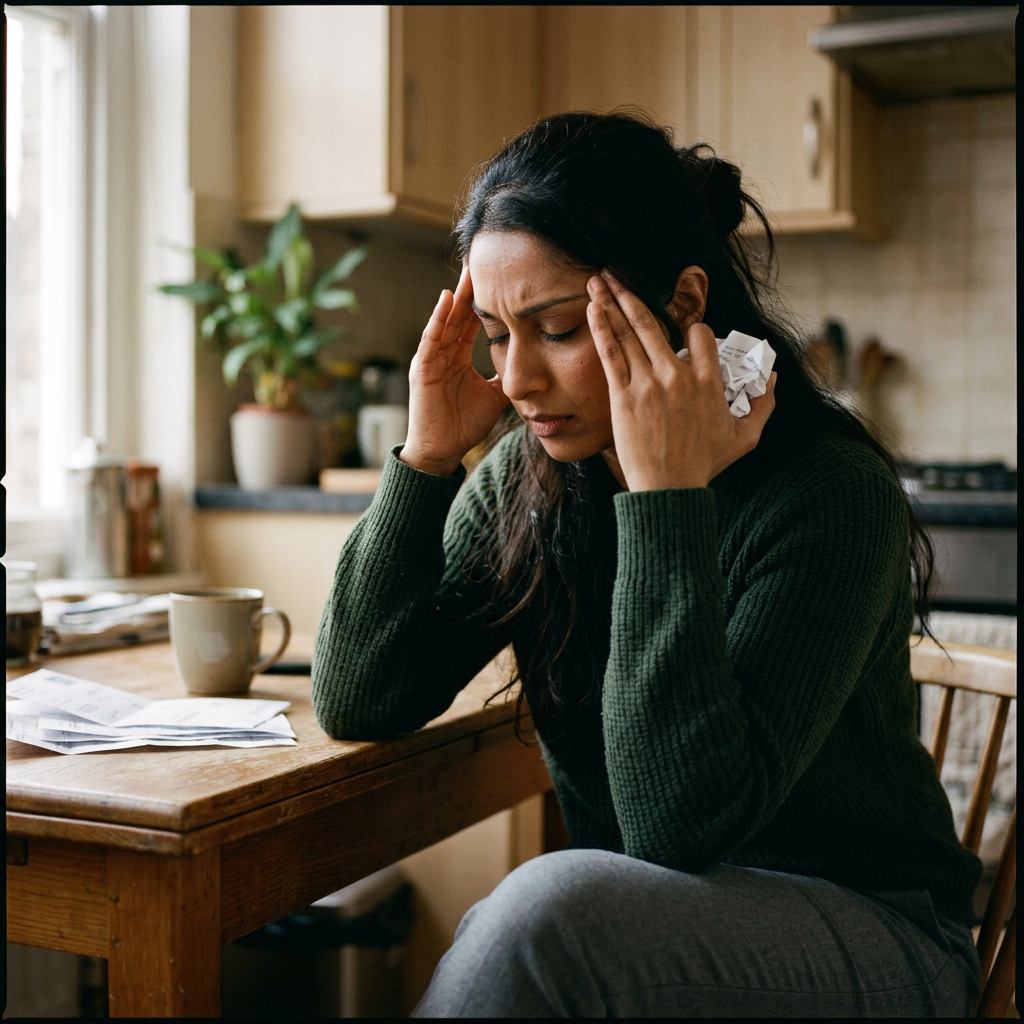
Your body often signals distress before your mind fully registers what’s happening. Physical symptoms can show up in surprising ways, and recognizing them is an important first step toward taking care of yourself. This article explains common physical signs of stress and helps you understand what your body might be trying to tell you.
Understanding the Body-Mind Connection
When you experience stress, your body activates a response system designed to help you handle threats. This system releases hormones like cortisol and adrenaline. These chemicals prepare your body for action, which was helpful when humans faced physical dangers.
Today, your body responds the same way to work deadlines, relationship tensions, or money worries. When stress becomes ongoing, these physical responses don’t shut off properly. Over time, this constant activation can affect nearly every system in your body.
Common Physical Signs to Watch For
Digestive Changes
Your gut and brain communicate constantly through a network of nerves. When you’re stressed, this connection can create noticeable digestive symptoms.
You might experience:
- Stomach aches or cramping
- Nausea or appetite changes
- Diarrhea or constipation
- Increased acid reflux or heartburn
These symptoms happen because stress changes how your digestive system moves and processes food. Blood flow shifts away from digestion toward your muscles during the stress response.
Muscle Tension and Pain
Muscle tightness is one of the most common physical responses to stress. Your body tenses up as part of its protective response.
Common areas affected include:
- Shoulders and neck
- Jaw (from clenching teeth)
- Lower back
- Headaches or migraines from muscle tension
This tension can become chronic if stress continues. You might not even notice you’re holding tension until pain develops.
Sleep Disruptions
Stress hormones interfere with your natural sleep patterns. Your brain stays alert, making it hard to wind down at night.
Sleep problems from stress include:
- Difficulty falling asleep
- Waking frequently during the night
- Waking too early and unable to return to sleep
- Feeling tired even after sleeping
Poor sleep then makes it harder to manage stress, creating a difficult cycle.
Cardiovascular Symptoms
Your heart and blood vessels respond directly to stress hormones. You might notice these changes during times of high stress:
- Faster heartbeat or heart palpitations
- Increased blood pressure
- Chest tightness or discomfort
- Feeling out of breath
These symptoms can feel alarming. If you experience chest pain or significant heart changes, seeking medical evaluation is important to rule out other causes.
Skin Reactions
Your skin reflects internal stress levels more than you might realize. Stress hormones trigger inflammation and affect skin cell production.
Stress-related skin changes include:
- Acne breakouts or worsening of existing acne
- Skin rashes or hives
- Flare-ups of conditions like eczema or psoriasis
- Increased skin sensitivity
Weakened Immune Response
Long-term stress affects your immune system’s ability to function well. You might notice you get sick more often or take longer to recover from minor illnesses.
Signs your immune system is struggling:
- Catching colds or infections more frequently
- Slower wound healing
- Increased allergy symptoms
- General feeling of being run down
Other Physical Symptoms
Stress can show up in many other ways throughout your body:
- Frequent headaches
- Dizziness or lightheadedness
- Changes in appetite (eating much more or less)
- Unexplained weight changes
- Decreased interest in physical intimacy
- Fatigue that doesn’t improve with rest
How to Tell If Your Symptoms Are Stress-Related
Connecting physical symptoms to stress isn’t always straightforward. Here are some patterns that suggest stress might be the underlying cause:
Timing: Symptoms appear or worsen during particularly challenging periods in your life. They might improve during vacations or calmer times.
Multiple symptoms: You experience several different physical issues at once without clear medical explanations for each one.
Medical tests are normal: Your doctor has ruled out other medical conditions, but symptoms continue.
Pattern recognition: You notice symptoms appear consistently in response to certain situations or thoughts.
When to Seek Professional Support
Physical symptoms deserve attention, even when they’re stress-related. Consider reaching out for support when:
- Symptoms interfere with daily activities or quality of life
- You feel unable to manage stress on your own
- Physical symptoms persist despite trying self-care strategies
- You notice symptoms are getting worse over time
- You experience significant distress about your symptoms
Both medical doctors and mental health professionals can help. A doctor can rule out other causes for physical symptoms. A counselor can help you develop tools for managing stress more effectively.
Taking the Next Step
Recognizing that stress is affecting you physically is valuable awareness. This knowledge isn’t meant to worry you further—it’s information you can use.
Your body’s signals are valid and worth paying attention to. Physical symptoms are your system’s way of letting you know that something needs to change. This might mean adjusting your schedule, setting boundaries, learning new coping strategies, or seeking support.
Small changes can make a meaningful difference. You don’t need to overhaul your entire life at once. Even modest steps toward managing stress can help your body begin to recover.
If you’re noticing several of these physical signs, consider talking with a healthcare provider or counselor. They can help you understand what’s happening and create a plan that addresses both the stress and its physical effects. Taking care of your mental well-being directly supports your physical health, and vice versa.
Related Articles
This blog was developed with support from AI-assisted research tools. All clinical content was reviewed and approved by the Clinical Director, who retains full responsibility for accuracy and clinical appropriateness.
Important Medical and Legal Information
🚨 Crisis Support Information
If you are experiencing thoughts of self-harm or suicide, please reach out for immediate help:
- National Suicide Prevention Lifeline: 988
- Crisis Text Line: Text HOME to 741741 (mobile)
- Emergency Services: 911
- International Association for Suicide Prevention: Crisis Centers Directory
Remember: You are not alone, and help is available 24/7. These feelings are temporary, but suicide is permanent.
🔍 Diagnostic Information Disclaimer
Important Notice: Information about mental health conditions and symptoms is provided for educational purposes only and cannot be used for self-diagnosis.
- Only qualified mental health professionals can provide accurate diagnoses
- Symptoms overlap between many different conditions
- Self-assessment tools are not substitutes for professional evaluation
- Early professional intervention leads to better outcomes
For professional assessment and diagnosis: Schedule an evaluation with our clinical team at (708) 949-8688 or email newclientinfo@personalbalancecounseling.com.
⚖️ Legal and Clinical Disclaimer
Limitation of Liability: Personal Balance Counseling and its staff provide this content for informational and educational purposes only. This content does not establish a therapist-client relationship.
- No Professional Relationship: Reading this content does not create a professional therapeutic relationship
- Not a Substitute for Professional Care: This information cannot replace individual professional mental health services
- Clinical Supervision: All content has been reviewed by licensed mental health professionals
- Emergency Situations: For mental health emergencies, contact emergency services or crisis hotlines immediately
- Individual Differences: Mental health treatment must be individualized and professionally supervised
By continuing to read this content, you acknowledge that you understand these limitations and agree that Personal Balance Counseling is not liable for any actions taken based on this information.