

Do you reach for food when stressed, anxious, or sad? Stress eating patterns are common, but understanding why they happen can help you break the cycle. Learn about the connection between emotions and eating, recognize the signs, and discover healthier ways to cope with difficult feelings.
Tag: coping skills
What is DBT Therapy? Understanding Dialectical Behavior Therapy

Wondering if DBT therapy is right for you? Dialectical Behavior Therapy helps people manage intense emotions and improve relationships through skills training and individual counseling. Learn what makes DBT different from traditional talk therapy and who benefits most from this evidence-based approach.
Understanding Personal Balance Counseling: A Path to Emotional Wellness

Feeling overwhelmed by competing demands from work, family, and personal needs? Personal balance counseling helps you navigate life's tensions without striving for impossible perfection. This specialized therapy approach focuses on managing the emotional challenges that arise when life feels unmanageable. Learn how professional support can help you respond to life's demands with less distress and greater clarity.
Finding Support for Anxiety: A Guide to Choosing a Therapist in Orland Park

Struggling with anxiety that's impacting your daily life? You're not alone. Anxiety disorders are among the most common mental health conditions, but they're highly treatable with the right support. If you're in Orland Park, Illinois, learn how to find a qualified therapist who specializes in anxiety treatment and what to expect from the process.
The Importance of Routine in Mental Health

by Sam Pagana, LPC, Personal Balance Counseling In our fast-paced and unpredictable world, maintaining a daily routine might seem boring or overly structured, but in reality, routines can be one of the most powerful tools for supporting mental health and…
How to Cope with Holiday Triggers and Emotions

As holiday seasons approach, feelings of stress and loneliness can emerge for many individuals. "Coping ahead," a DBT technique, involves preparing for emotional challenges by identifying triggers and creating support plans. This proactive approach fosters emotional regulation, allowing individuals to maintain balance and practice self-care during busy times.
Our Top 10 Anxiety Busters
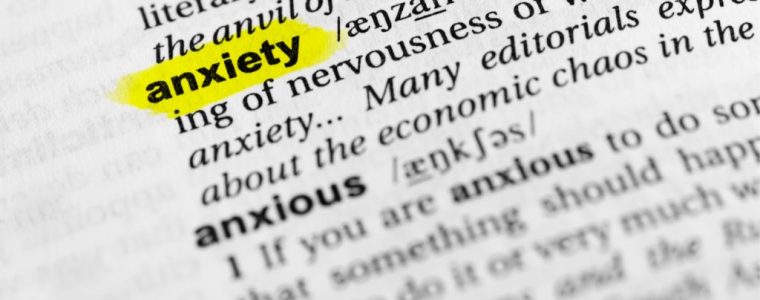
Anxiety manifests as worry or unease about uncertain events and can be overwhelming. To manage it, consider ten strategies: recognize triggers, release tension, practice gratitude, use positive self-talk, differentiate between rational and irrational thoughts, accept anxiety, visualize overcoming fears, relinquish control, document thoughts, and maintain self-care routines.