
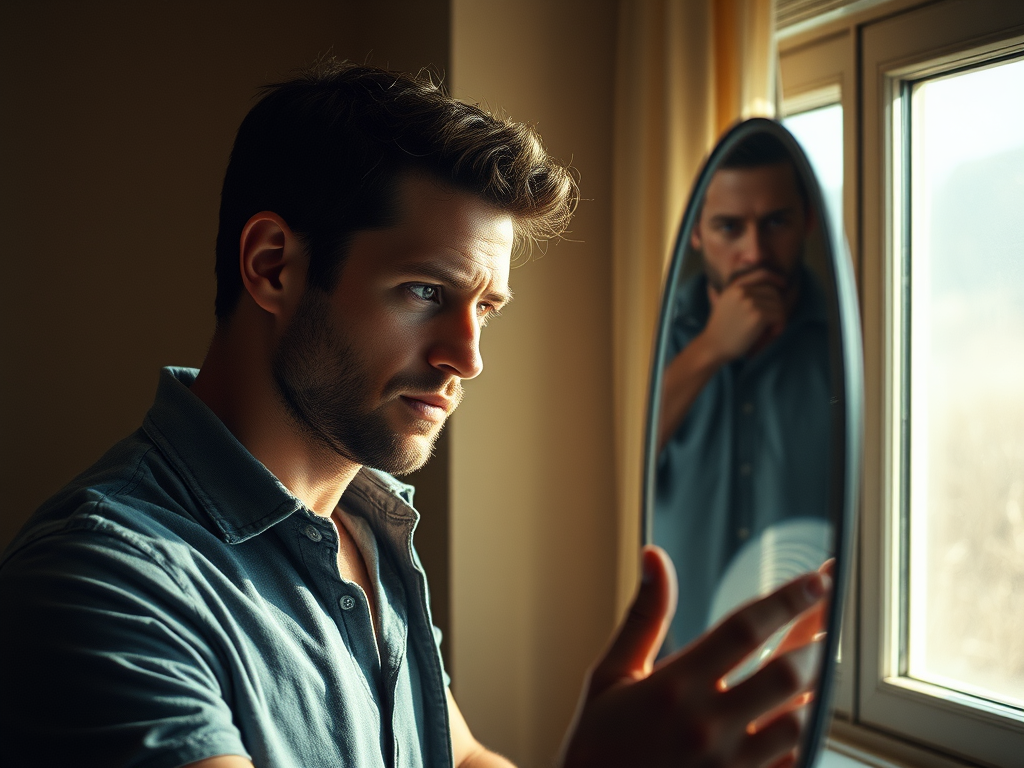
Body image issues affect how we see and feel about our physical appearance. These concerns can range from occasional worry to serious distress that affects daily life. While many people experience some discomfort with their appearance, body image issues become a concern when they lead to harmful behaviors or emotional pain.
What Are Body Image Issues?
Body image is the mental picture you have of your body and how you think and feel about it. This includes your thoughts, perceptions, and attitudes about your physical appearance.
When someone has body image issues, they experience ongoing negative thoughts and feelings about their body. These thoughts can be intense and difficult to manage. Body image concerns exist on a spectrum, from mild dissatisfaction to severe distress that interferes with relationships, work, and overall quality of life.
Body image issues can affect anyone, regardless of gender, age, or body type. They often develop during adolescence but can emerge at any life stage.
Common Signs of Body Image Concerns
People experiencing body image issues might notice several patterns in their thoughts and behaviors:
- Frequently comparing their appearance to others
- Spending significant time checking their appearance in mirrors or avoiding mirrors entirely
- Feeling distressed or uncomfortable in social situations due to appearance worries
- Changing or avoiding activities because of how they look
- Constantly seeking reassurance about their appearance
These patterns can create a cycle of negative thoughts that becomes hard to break without support.
The Connection to Eating Disorders
Body image issues sometimes develop into eating disorders. These are serious mental health conditions that involve harmful eating behaviors and intense preoccupation with food, weight, and body shape.
Eating disorders are not about vanity or wanting to look a certain way. They are complex conditions influenced by biological, psychological, and social factors. Body image distress is often a core feature of these disorders.
Male Anorexia Symptoms: An Often Overlooked Issue
Anorexia nervosa is an eating disorder characterized by restricted food intake, intense fear of weight gain, and distorted body image. While often associated with women, men also develop anorexia, though it is frequently under-recognized and under-treated.
Men with anorexia may experience symptoms that look somewhat different from typical presentations, which can delay diagnosis and treatment.
Physical and Behavioral Signs
Male anorexia symptoms can include:
- Significant weight loss or maintaining an unusually low body weight
- Restricting food intake or following rigid eating rules
- Excessive exercise, especially if it continues despite injury or illness
- Preoccupation with muscle definition or body composition
- Wearing loose clothing to hide body shape
- Avoiding meals with others or social situations involving food
- Fatigue, weakness, or feeling cold frequently
- Difficulty concentrating or brain fog
Emotional and Mental Patterns
The psychological experience of anorexia in men often involves:
- Intense fear of gaining weight or becoming “soft” or “fat”
- Distorted perception of body size or shape
- Self-worth heavily tied to appearance or athletic performance
- Anxiety or distress when unable to control food or exercise
- Repetitive negative thinking about food, weight, or body image (rumination)
- Social withdrawal or isolation
- Mood changes, including irritability or depression
Unique Considerations for Men
Men may be less likely to recognize or seek help for eating concerns due to stigma and misperceptions that these are “female problems.” This delay can have serious health consequences.
Some men focus more on gaining muscle than losing weight, a pattern sometimes called muscle dysmorphia. The underlying distress about body image and harmful behaviors can be just as severe as in classic anorexia.
Men may describe their concerns in different terms, talking about “getting lean” or “eating clean” rather than dieting or restricting. Understanding these language differences helps recognize when someone needs support.
How Body Image Issues Develop
No single cause creates body image issues. Instead, multiple factors interact:
Biological factors include genetics and brain chemistry that may increase vulnerability to body image concerns and eating disorders.
Psychological factors might involve perfectionism, difficulty managing emotional distress, or past experiences with trauma or criticism about appearance.
Social and cultural factors play a significant role. Media images, peer pressure, and cultural messages about ideal body types can contribute to dissatisfaction. For men, pressure to be muscular, athletic, and lean has increased significantly.
When to Seek Support
If body image concerns are causing distress or affecting your life, reaching out for support is a strength, not a weakness. Consider seeking help if you notice:
- Your thoughts about your body are persistent and upsetting
- You are changing your eating patterns in ways that concern you
- You exercise in ways that feel compulsive or that you cannot skip
- You avoid activities or relationships because of appearance worries
- Others have expressed concern about your eating or weight
Treatment and Recovery
Recovery from body image issues and eating disorders is possible with appropriate support. Treatment typically involves working with professionals who understand these concerns.
Therapy can help you develop healthier ways of thinking about your body and more effective skills for managing emotional distress (coping). Different therapy approaches have shown effectiveness, including cognitive-behavioral therapy and other evidence-based methods.
For eating disorders, treatment often involves a team including a therapist, medical doctor, and dietitian. This comprehensive approach addresses both the physical and emotional aspects of recovery.
Moving Forward
Body image issues and eating disorders are not choices or phases. They are real conditions that deserve compassionate, professional treatment. Understanding these concerns, especially presentations that are less commonly discussed, helps more people recognize when they or someone they care about needs support.
If you are struggling with body image concerns or notice male anorexia symptoms in yourself or someone you know, reaching out is the first step toward feeling better.
Related Articles
This blog was developed with support from AI-assisted research tools. All clinical content was reviewed and approved by the Clinical Director, who retains full responsibility for accuracy and clinical appropriateness.
Important Medical and Legal Information
🚨 Crisis Support Information
If you are experiencing thoughts of self-harm or suicide, please reach out for immediate help:
- National Suicide Prevention Lifeline: 988
- Crisis Text Line: Text HOME to 741741 (mobile)
- Emergency Services: 911
- International Association for Suicide Prevention: Crisis Centers Directory
Remember: You are not alone, and help is available 24/7. These feelings are temporary, but suicide is permanent.
⚕️ Treatment Information Disclaimer
Important: The treatment information provided here is for educational purposes only and should not replace professional medical advice, diagnosis, or treatment. Always consult with qualified mental health professionals before making decisions about your treatment.
- Treatment approaches vary for each individual
- What works for others may not be suitable for your specific situation
- Professional assessment is necessary to determine appropriate treatment options
To schedule a consultation with Personal Balance Counseling: call (708) 949-8688 or email newclientinfo@personalbalancecounseling.com
🔍 Diagnostic Information Disclaimer
Important Notice: Information about mental health conditions and symptoms is provided for educational purposes only and cannot be used for self-diagnosis.
- Only qualified mental health professionals can provide accurate diagnoses
- Symptoms overlap between many different conditions
- Self-assessment tools are not substitutes for professional evaluation
- Early professional intervention leads to better outcomes
For professional assessment and diagnosis: Schedule an evaluation with our clinical team at (708) 949-8688 or email newclientinfo@personalbalancecounseling.com.
⚖️ Legal and Clinical Disclaimer
Limitation of Liability: Personal Balance Counseling and its staff provide this content for informational and educational purposes only. This content does not establish a therapist-client relationship.
- No Professional Relationship: Reading this content does not create a professional therapeutic relationship
- Not a Substitute for Professional Care: This information cannot replace individual professional mental health services
- Clinical Supervision: All content has been reviewed by licensed mental health professionals
- Emergency Situations: For mental health emergencies, contact emergency services or crisis hotlines immediately
- Individual Differences: Mental health treatment must be individualized and professionally supervised
By continuing to read this content, you acknowledge that you understand these limitations and agree that Personal Balance Counseling is not liable for any actions taken based on this information.