

Anxiety affects women differently than men, with unique symptoms and triggers. Understanding these differences is the first step toward effective management. Learn to recognize women-specific anxiety symptoms and discover practical strategies to regain control of your mental wellness and live more peacefully.
Author: Michelle Conrad, LCPC, DBTC
Understanding How Therapy Works: A Guide to the Process
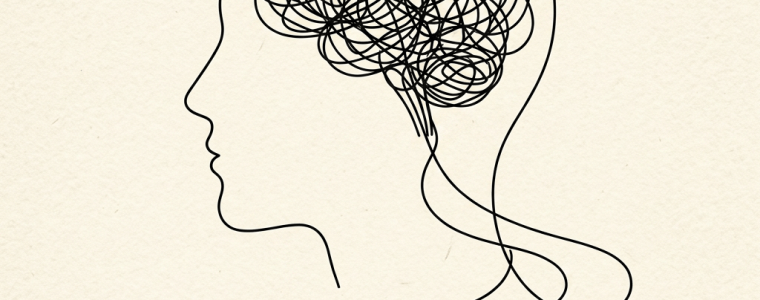
Curious about what actually happens in therapy and how talking creates real change? Understanding the therapeutic process helps you feel more prepared and confident. Learn about the therapeutic relationship, how sessions are structured, and why therapy works. Demystify the journey and discover what makes counseling effective.
How I Heal From Trauma: Understanding Your Path Forward

Healing from trauma is possible, though the path looks different for everyone. It's not about forgetting or returning to who you were before—it's about integrating experiences so they have less power over daily life. Learn what trauma healing involves and how to begin your journey forward.
Understanding Generalized Anxiety Disorder Symptoms and Chronic Stress Management

Constant worry that's hard to control may signal generalized anxiety disorder. Understanding the difference between everyday stress and GAD helps you recognize when to seek support. Learn the mental, physical, and behavioral symptoms of persistent anxiety and chronic worry.
Living a Full Life with Panic Disorder

Can you live a fulfilling life with panic disorder? Absolutely. While panic attacks feel overwhelming and frightening, panic disorder responds well to treatment. Most people see real improvement with proper care, including therapy and practical coping strategies that help manage symptoms and reduce avoidance behaviors.
ADHD Anxiety: Understanding the Connection Between ADHD and Anxious Feelings

If you have ADHD and struggle with anxious feelings, you're not alone. Research shows 25-50% of adults with ADHD also experience significant anxiety. Understanding how these conditions connect can help you make sense of your experiences and find the right support for managing both.
Understanding Inward BPD Symptoms: When Borderline Personality Disorder Turns Inside

Borderline personality disorder doesn't always look dramatic or explosive. Inward BPD symptoms turn pain inside, making suffering less visible but equally severe. Learn to recognize these internal experiences, understand the hidden struggles, and discover why recognizing these quieter symptoms matters for getting appropriate support and treatment.
How Can I Help My Teen With High School Stress

High school stress affects many teens today. Academic pressure, social challenges, and future planning can overwhelm adolescents. Learn practical, evidence-based approaches to support your teenager through stressful times and recognize when they need additional help for their well-being.
Recognizing Teen Anxiety Symptoms: How to Help a Teen With Anxiety

Teen anxiety often looks different than adult anxiety. Instead of expressing worry directly, your teen might show irritability, withdrawal from activities, or physical complaints like stomachaches. Understanding these unexpected signs is the first step toward providing meaningful support during this challenging developmental period.
What is Dialectical Behavior Therapy and DBT Distress Tolerance Skills

Dialectical Behavior Therapy (DBT) helps people manage intense emotions and build a life worth living. Created by Dr. Marsha Linehan, DBT teaches four essential skill sets including distress tolerance—tools for surviving crisis moments without making things worse. Learn how these evidence-based techniques can help you.