
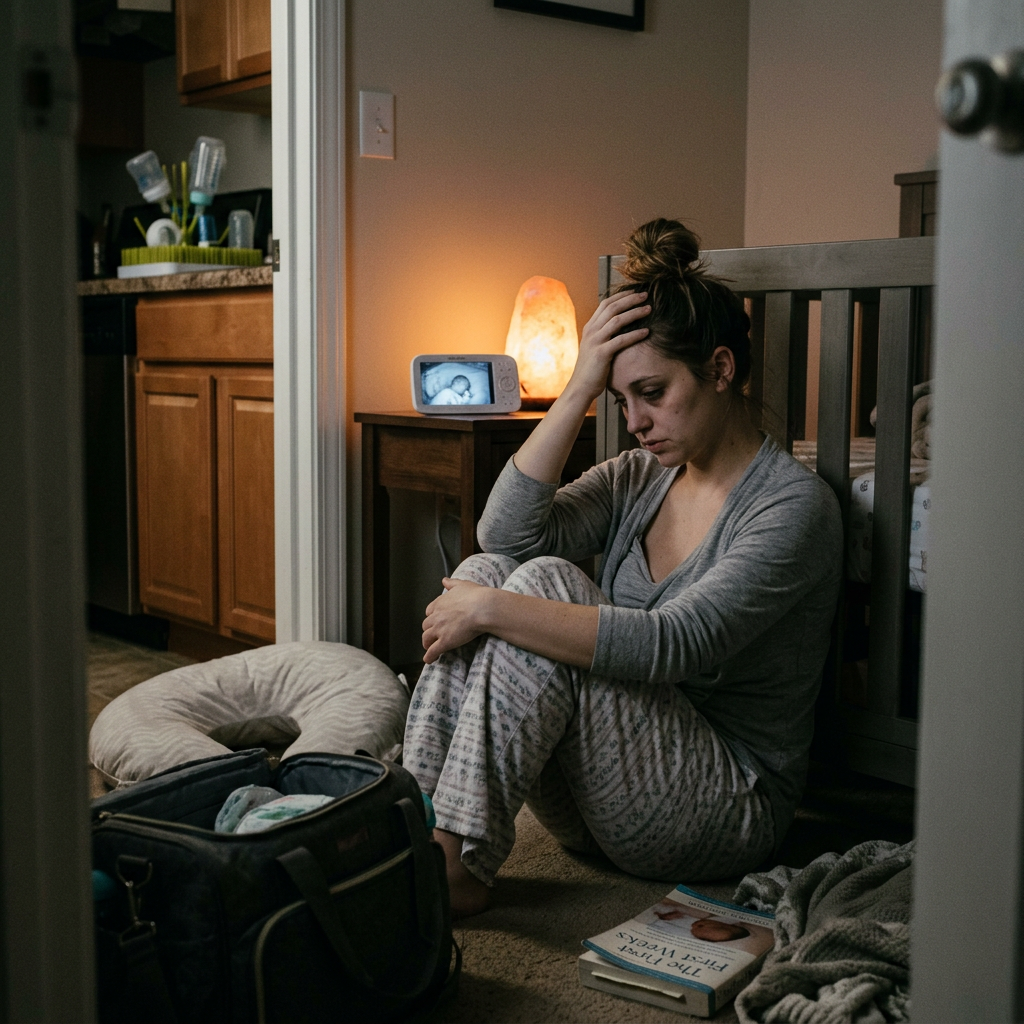
Having a baby changes everything. While many people expect to feel joy and love, they’re often surprised by intense worry and fear that seems to appear out of nowhere. If your anxiety has increased significantly since giving birth, you’re not alone. Postpartum anxiety is a real and common experience that affects many new parents.
You might have heard about postpartum depression, but anxiety after childbirth is actually just as common—some research suggests it might affect up to one in five new parents. Understanding why this happens can help you feel less confused and more prepared to get support.
What Postpartum Anxiety Feels Like
Postpartum anxiety is different from typical new parent worries. While all new parents feel concerned about their baby’s safety and health, postpartum anxiety involves worry that feels constant, overwhelming, and hard to control.
Anxiety is a normal human response to uncertainty or perceived threat. It’s your brain trying to keep you and your baby safe. But sometimes this protective response gets turned up too high, making it hard to function or enjoy time with your baby.
You might notice physical symptoms like a racing heart, trouble breathing, or tightness in your chest. Some people describe feeling jittery or unable to sit still. Sleep becomes difficult even when the baby is sleeping, because your mind won’t stop racing.
Many people with postpartum anxiety have intrusive thoughts—unwanted, disturbing images or ideas that pop into their head. These might involve something bad happening to the baby. These thoughts don’t mean you want these things to happen. They’re a symptom of anxiety, not a reflection of who you are.
Why This Happens After Birth
Several factors work together to increase anxiety during the postpartum period. Understanding these causes can help you recognize that this isn’t your fault or a personal failing.
Dramatic Hormone Changes
Your body goes through massive hormonal shifts after giving birth. Estrogen and progesterone levels, which were very high during pregnancy, drop suddenly. These hormones affect brain chemistry and mood regulation.
These changes happen to everyone who gives birth, but some people’s brains are more sensitive to hormonal shifts. This sensitivity can trigger or worsen anxiety symptoms.
Other hormones are also adjusting. Your body is producing oxytocin for bonding and prolactin if you’re breastfeeding. Thyroid function can also change postpartum, which affects anxiety levels.
Sleep Deprivation
Lack of sleep affects mental health in powerful ways. When you’re not getting enough rest, your brain has less capacity to manage stress and regulate emotions. Fear responses become stronger, and your ability to calm yourself down weakens.
Newborns need frequent care around the clock, which means interrupted sleep is unavoidable. This ongoing sleep loss accumulates, making anxiety worse over time. Your nervous system stays on high alert because it never gets the deep rest it needs to reset.
Even if you’re sleeping when the baby sleeps, that sleep is often light and fragmented. This type of rest doesn’t provide the same recovery as uninterrupted sleep cycles.
Complete Life Transformation
Becoming a parent changes your identity, relationships, daily routine, and often your work situation. These are all major life stressors happening at once. Your brain is trying to adapt to an entirely new reality while caring for a completely dependent human.
You might feel a heightened sense of responsibility that you’ve never experienced before. This tiny person’s survival depends on you, which can feel overwhelming. That weight of responsibility naturally triggers anxiety.
Many people also experience unexpected feelings about parenthood. If your experience doesn’t match what you imagined, or what you see on social media, this disconnect can increase worry and self-doubt.
Previous Mental Health History
If you’ve experienced anxiety or depression before pregnancy, you have a higher risk of developing postpartum anxiety. Past trauma or difficult life experiences can also make you more vulnerable.
Anxiety disorders often have a genetic component, so a family history of anxiety increases your likelihood of experiencing it postpartum. This doesn’t mean it’s guaranteed, but awareness helps you watch for signs.
If you had anxiety during pregnancy, it often continues or worsens after birth. The stressors don’t disappear with delivery—in many ways, they intensify.
Lack of Support
Adequate support makes a huge difference in postpartum mental health. When you’re managing most of the baby care alone, or when you don’t have people to talk to about your concerns, anxiety grows.
Physical help with tasks matters, but emotional support is equally important. Feeling heard, validated, and understood by others helps calm your nervous system. Without this, you’re managing everything internally, which is exhausting.
Cultural expectations about parenthood can create additional pressure. If you feel you should be handling everything perfectly, you’re less likely to ask for help or admit you’re struggling.
Physical Changes That Affect Anxiety
Your body is recovering from pregnancy and birth, which is physically demanding. This recovery process affects your mental state in several ways.
If you experienced birth complications or trauma, your body might be in a heightened state of alert. This physical stress response contributes to ongoing anxiety. Chronic pain from recovery can also increase irritability and worry.
Nutrition often suffers during the early postpartum period. You’re focused on feeding the baby, but might forget to eat regular, nourishing meals yourself. Low blood sugar and nutritional deficits can worsen anxiety symptoms.
Dehydration has similar effects, especially if you’re breastfeeding and need extra fluids. These basic physical needs matter more than people realize when it comes to mental health.
When Normal Worry Becomes a Problem
All new parents worry. That’s protective and normal. But there’s a difference between typical concern and postpartum anxiety that needs treatment.
Consider getting help if your worry:
- Interferes with your ability to care for yourself or your baby
- Keeps you from sleeping even when you have the opportunity
- Includes frequent panic attacks or physical symptoms
- Makes it hard to leave the house or feel safe anywhere
- Involves constant checking behaviors that take up hours of your day
- Includes thoughts of harming yourself
You don’t need to wait until things become severe. Early support can prevent symptoms from getting worse and help you feel better faster.
What Actually Helps
Professional treatment works well for postpartum anxiety. Therapy, particularly cognitive-behavioral approaches, can help you develop tools to manage anxious thoughts and reduce physical symptoms.
Talking with a counselor who understands the postpartum period provides relief. They can help you sort through which worries are reasonable and which ones are anxiety talking. They’ll also help you build coping strategies specific to your situation.
Medication is sometimes appropriate, especially if anxiety is severe. Many medications are safe while breastfeeding, though you should discuss options with your healthcare provider. Don’t let concerns about medication prevent you from exploring this option if you need it.
Practical Support Strategies
While professional help is important, daily strategies can also make a difference in managing symptoms.
Ask for Specific Help
People often say “let me know if you need anything,” but rarely follow through. Instead, ask for specific support: “Can you hold the baby for an hour so I can sleep?” or “Can you bring a meal on Thursday?”
Having another adult present, even if they’re just doing laundry or washing dishes, can reduce the constant vigilance that feeds anxiety.
Prioritize Rest Over Tasks
The dishes can wait. The laundry can pile up. Your mental health cannot. When you have a chance to rest, take it. Sleep whenever possible, even if the house is messy.
Lower your standards temporarily. This isn’t forever, but right now, survival and recovery are what matter. Anything beyond basic care of yourself and the baby is extra.
Limit Information Intake
Put down your phone. Stop googling every symptom and concern. While information can be helpful, too much creates more anxiety. Trust your pediatrician for medical questions instead of searching online.
Social media can be especially difficult during this time. Seeing everyone else’s seemingly perfect postpartum experience can make you feel worse. It’s okay to take a break from these platforms.
Connect With Other New Parents
Talking with others going through the same stage helps you realize your experiences are normal. Whether it’s an in-person group, an online community, or one friend who’s also a new parent, these connections reduce isolation.
Hearing that other people also worry constantly, also feel overwhelmed, and also have mixed feelings about parenthood is validating. You’re not alone, even when it feels that way.
Moving Toward Feeling Better
Postpartum anxiety is treatable. With appropriate support, most people notice significant improvement within weeks to months. This difficult period doesn’t define your entire experience of parenthood.
Your mental health directly affects your ability to care for your baby and enjoy this time. Seeking help isn’t selfish—it’s necessary. Your well-being matters for your own sake and for your family.
Be gentle with yourself as you adjust. Parenthood is one of life’s biggest transitions, and it makes sense that your anxiety would increase during such a major change. You’re not failing. You’re having a normal response to extraordinary circumstances.
If you’re struggling, reach out to your healthcare provider, a therapist who specializes in postpartum issues, or a postpartum support organization. Help is available, and you deserve to feel better.
Related Articles
This blog was developed with support from AI-assisted research tools. All clinical content was reviewed and approved by the Clinical Director, who retains full responsibility for accuracy and clinical appropriateness.
Important Medical and Legal Information
🚨 Crisis Support Information
If you are experiencing thoughts of self-harm or suicide, please reach out for immediate help:
- National Suicide Prevention Lifeline: 988
- Crisis Text Line: Text HOME to 741741 (mobile)
- Emergency Services: 911
- International Association for Suicide Prevention: Crisis Centers Directory
Remember: You are not alone, and help is available 24/7. These feelings are temporary, but suicide is permanent.
⚕️ Treatment Information Disclaimer
Important: The treatment information provided here is for educational purposes only and should not replace professional medical advice, diagnosis, or treatment. Always consult with qualified mental health professionals before making decisions about your treatment.
- Treatment approaches vary for each individual
- What works for others may not be suitable for your specific situation
- Professional assessment is necessary to determine appropriate treatment options
To schedule a consultation with Personal Balance Counseling: call (708) 949-8688 or email newclientinfo@personalbalancecounseling.com
💊 Medication Information Disclaimer
Critical Notice: Any medication information provided is for educational purposes only. This content does not constitute medical advice and should never be used as a substitute for consultation with a qualified healthcare provider.
- Always consult your prescribing physician before starting, stopping, or changing medications
- Medication effects vary significantly between individuals
- Side effects and interactions require professional monitoring
- Self-medication can be dangerous and is strongly discouraged
If you are experiencing medication side effects or concerns, contact your prescribing physician immediately.
🔍 Diagnostic Information Disclaimer
Important Notice: Information about mental health conditions and symptoms is provided for educational purposes only and cannot be used for self-diagnosis.
- Only qualified mental health professionals can provide accurate diagnoses
- Symptoms overlap between many different conditions
- Self-assessment tools are not substitutes for professional evaluation
- Early professional intervention leads to better outcomes
For professional assessment and diagnosis: Schedule an evaluation with our clinical team at (708) 949-8688 or email newclientinfo@personalbalancecounseling.com.
⚖️ Legal and Clinical Disclaimer
Limitation of Liability: Personal Balance Counseling and its staff provide this content for informational and educational purposes only. This content does not establish a therapist-client relationship.
- No Professional Relationship: Reading this content does not create a professional therapeutic relationship
- Not a Substitute for Professional Care: This information cannot replace individual professional mental health services
- Clinical Supervision: All content has been reviewed by licensed mental health professionals
- Emergency Situations: For mental health emergencies, contact emergency services or crisis hotlines immediately
- Individual Differences: Mental health treatment must be individualized and professionally supervised
By continuing to read this content, you acknowledge that you understand these limitations and agree that Personal Balance Counseling is not liable for any actions taken based on this information.