
Most people feel nervous or stressed about work sometimes. You might worry before a big presentation, feel pressure from a deadline, or get butterflies before meeting with your boss. These feelings are normal human responses to uncertainty or challenges in the workplace.
But sometimes work-related worry crosses a line. It stops being occasional stress and becomes something that affects your health, relationships, and quality of life. Learning to recognize when your work-related worry has become too much is an important first step toward getting support.
Understanding Normal Work Stress
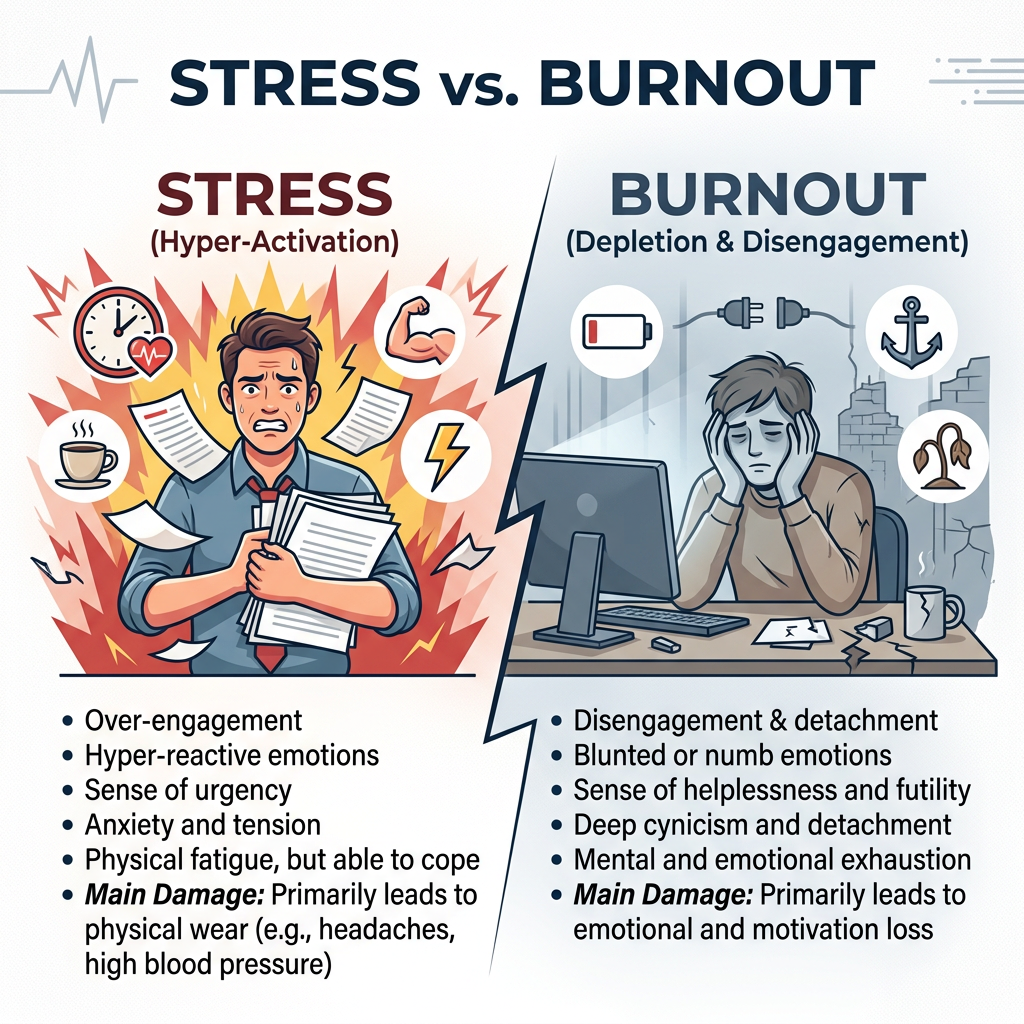
Work naturally comes with some level of pressure. Normal workplace stress usually:
- Comes and goes based on specific situations or deadlines
- Doesn’t interfere with your sleep most nights
- Allows you to enjoy your time off work
- Feels manageable with basic coping strategies
- Doesn’t affect your physical health
When you face a challenging project or busy season, you might feel more tension than usual. This response makes sense. Your body is preparing to meet a demand. Once the situation passes, the stressed feelings typically fade.
Signs Your Work-Related Worry May Be Too Much
Work-related distress exists on a spectrum. It becomes concerning when it starts affecting multiple areas of your life. Here are some signs that what you’re experiencing might need attention:
Physical symptoms that persist
Your body often signals emotional distress through physical sensations. You might notice:
- Trouble falling asleep or staying asleep most nights
- Frequent headaches or stomach problems
- Muscle tension, especially in your neck and shoulders
- Feeling tired even after resting
- Changes in appetite or eating patterns
These physical signs, when they happen regularly, tell you that your nervous system is staying activated even when you’re not in immediate danger.
Constant worry that doesn’t ease
Everyone has worries pop up now and then. But if work fills your mind most of the time, that’s different. You might:
- Think about work problems during family time or hobbies
- Wake up in the middle of the night thinking about tomorrow’s tasks
- Feel unable to “turn off” thoughts about work
- Replay conversations or mistakes over and over
- Worry about work situations that haven’t happened yet
When worry becomes this persistent, it’s using a lot of your mental energy. This can leave you feeling drained.
Avoiding work or feeling dread
Strong negative feelings about going to work can signal that something is off. This might look like:
- Feeling intense dread on Sunday evenings
- Calling in sick when you’re not physically ill
- Arriving late or leaving early frequently
- Avoiding certain people or tasks at work
- Feeling panicked when you think about your workplace
Avoidance is often a sign that distress has reached a level that feels overwhelming.
Changes in how you function
When emotional suffering affects your day-to-day life, it’s worth paying attention. You might notice:
- Difficulty concentrating on tasks you used to handle easily
- Making more mistakes than usual
- Withdrawing from friends or family
- Losing interest in activities you normally enjoy
- Feeling irritable or snapping at people you care about
These changes tell you that the distress is spreading beyond just your thoughts and feelings.
Impact on your relationships
Work-related emotional strain often spills into personal life. This can show up as:
- Canceling plans because you feel too overwhelmed
- Talking only about work problems with loved ones
- Having less patience with family members
- Feeling disconnected from people close to you
- Getting into more conflicts or arguments
When your relationships suffer because of work-related distress, it’s affecting your overall well-being.
What Contributes to Excessive Work-Related Worry
Several factors can push normal workplace stress into something more intense:
Workplace environment: Unclear expectations, lack of support from managers, unrealistic demands, or workplace conflict can all increase distress.
Personal factors: Your history, coping skills, and other life stressors play a role. If you’re dealing with challenges outside of work, you might have less capacity to handle workplace pressure.
Thinking patterns: How you interpret situations matters. If you tend to expect the worst outcome or believe you must be perfect, everyday work challenges may feel more threatening.
Understanding that multiple factors contribute can help you feel less alone. This isn’t about being “weak” or unable to handle normal life.
When to Seek Support
You don’t need to wait until you’re in crisis to reach out for help. Consider talking with a mental health professional if:
- Your distress has lasted more than a few weeks
- You’ve tried basic coping strategies and nothing helps
- Physical symptoms are interfering with daily life
- You feel hopeless about your work situation
- People close to you have expressed concern
- You’re using alcohol or other substances to cope
A counselor or therapist can help you understand what’s happening and develop strategies that fit your specific situation. This might include learning new ways to manage worry, setting boundaries, or exploring whether your workplace is a good fit for your needs.
Moving Toward Relief
Recognizing that your work-related worry has become too much is actually a sign of self-awareness, not weakness. Many people push through distress for months or years before acknowledging they need support.
Treatment approaches like cognitive-behavioral therapy have strong evidence for helping with worry and workplace stress. These approaches teach practical skills you can use right away. Building optimism about your ability to feel better is part of the process. Research shows that viewing hope as something you can develop, rather than something you either have or don’t have, supports recovery.
You might also benefit from talking with your doctor to rule out physical health conditions that can cause similar symptoms. Sometimes thyroid problems or other medical issues can create feelings that seem like emotional distress.
Taking the Next Step
If you recognize yourself in these descriptions, consider this an invitation to get curious about what you’re experiencing. You deserve to feel a sense of satisfaction in your work and your life overall. Persistent distress is a valid signal that something needs attention.
Reaching out to a mental health professional doesn’t mean you’re failing. It means you’re taking your well-being seriously. Many people find that even a few sessions can make a meaningful difference in how they experience work and life.
Your emotional suffering matters. When work-related worry becomes too much, support is available.
Related Articles
This blog was developed with support from AI-assisted research tools. All clinical content was reviewed and approved by the Clinical Director, who retains full responsibility for accuracy and clinical appropriateness.
Important Medical and Legal Information
🚨 Crisis Support Information
If you are experiencing thoughts of self-harm or suicide, please reach out for immediate help:
- National Suicide Prevention Lifeline: 988
- Crisis Text Line: Text HOME to 741741 (mobile)
- Emergency Services: 911
- International Association for Suicide Prevention: Crisis Centers Directory
Remember: You are not alone, and help is available 24/7. These feelings are temporary, but suicide is permanent.
⚕️ Treatment Information Disclaimer
Important: The treatment information provided here is for educational purposes only and should not replace professional medical advice, diagnosis, or treatment. Always consult with qualified mental health professionals before making decisions about your treatment.
- Treatment approaches vary for each individual
- What works for others may not be suitable for your specific situation
- Professional assessment is necessary to determine appropriate treatment options
To schedule a consultation with Personal Balance Counseling: call (708) 949-8688 or email newclientinfo@personalbalancecounseling.com
🔍 Diagnostic Information Disclaimer
Important Notice: Information about mental health conditions and symptoms is provided for educational purposes only and cannot be used for self-diagnosis.
- Only qualified mental health professionals can provide accurate diagnoses
- Symptoms overlap between many different conditions
- Self-assessment tools are not substitutes for professional evaluation
- Early professional intervention leads to better outcomes
For professional assessment and diagnosis: Schedule an evaluation with our clinical team at (708) 949-8688 or email newclientinfo@personalbalancecounseling.com.
⚖️ Legal and Clinical Disclaimer
Limitation of Liability: Personal Balance Counseling and its staff provide this content for informational and educational purposes only. This content does not establish a therapist-client relationship.
- No Professional Relationship: Reading this content does not create a professional therapeutic relationship
- Not a Substitute for Professional Care: This information cannot replace individual professional mental health services
- Clinical Supervision: All content has been reviewed by licensed mental health professionals
- Emergency Situations: For mental health emergencies, contact emergency services or crisis hotlines immediately
- Individual Differences: Mental health treatment must be individualized and professionally supervised
By continuing to read this content, you acknowledge that you understand these limitations and agree that Personal Balance Counseling is not liable for any actions taken based on this information.