
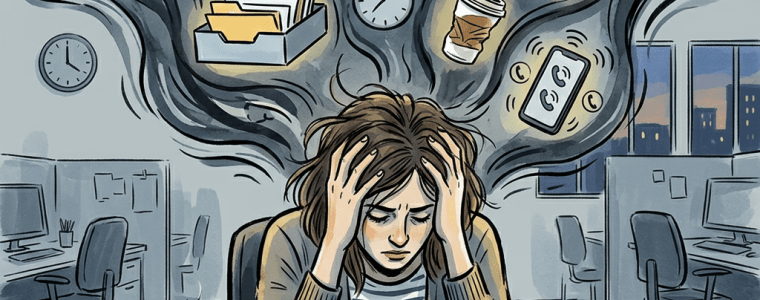
Workplace burnout symptoms go beyond just feeling tired. When job demands consistently exceed your ability to cope, chronic stress affects your body, mind, and relationships. Learn to recognize the physical and emotional warning signs before stress becomes burnout, and discover practical strategies for managing workplace pressure.
Tag: emotional regulation
Being able to understand your emotions, work with them rather than against them, and choose responses that fit your values, goals, and the situation.
Emotional regulation is your ability to work with your emotions—rather than feeling controlled by them—so you can think clearly, stay grounded, and respond in healthy ways.
Supporting Your Child: Understanding Child Behavior Challenges

Difficult child behavior isn't manipulation—it's communication. When children act out, they're expressing something they can't put into words. Understanding what drives challenging behavior helps you respond with both compassion and structure. Learn age-appropriate expectations and discover why your child isn't trying to make life difficult.
Healthy Ways to Support Your Divorce Recovery

Divorce brings multiple losses at once—a partner, shared routines, and an imagined future. Recovery takes time and looks different for everyone. Explore healthy strategies to navigate this challenging transition, understand the complex emotions you're experiencing, and find practical ways to support your healing and move forward.
Understanding Women Anxiety Symptoms and How to Manage Them

Anxiety affects women differently than men, with unique symptoms and triggers. Understanding these differences is the first step toward effective management. Learn to recognize women-specific anxiety symptoms and discover practical strategies to regain control of your mental wellness and live more peacefully.
Understanding Generalized Anxiety Disorder Symptoms and Chronic Stress Management

Constant worry that's hard to control may signal generalized anxiety disorder. Understanding the difference between everyday stress and GAD helps you recognize when to seek support. Learn the mental, physical, and behavioral symptoms of persistent anxiety and chronic worry.
ADHD Anxiety: Understanding the Connection Between ADHD and Anxious Feelings

If you have ADHD and struggle with anxious feelings, you're not alone. Research shows 25-50% of adults with ADHD also experience significant anxiety. Understanding how these conditions connect can help you make sense of your experiences and find the right support for managing both.
Understanding Inward BPD Symptoms: When Borderline Personality Disorder Turns Inside

Borderline personality disorder doesn't always look dramatic or explosive. Inward BPD symptoms turn pain inside, making suffering less visible but equally severe. Learn to recognize these internal experiences, understand the hidden struggles, and discover why recognizing these quieter symptoms matters for getting appropriate support and treatment.
What is Dialectical Behavior Therapy and DBT Distress Tolerance Skills

Dialectical Behavior Therapy (DBT) helps people manage intense emotions and build a life worth living. Created by Dr. Marsha Linehan, DBT teaches four essential skill sets including distress tolerance—tools for surviving crisis moments without making things worse. Learn how these evidence-based techniques can help you.
Eating Disorder Behaviors: A Coping Skill Rooted in Attachment

Eating disorder behaviors aren't just about food—they're coping mechanisms for overwhelming emotions. Understanding how restricting, binge eating, and purging function as survival strategies helps us see these patterns differently. Learn why these behaviors develop and how recognizing them as coping skills is the first step toward healing.
What is DBT Therapy? Understanding Dialectical Behavior Therapy

Wondering if DBT therapy is right for you? Dialectical Behavior Therapy helps people manage intense emotions and improve relationships through skills training and individual counseling. Learn what makes DBT different from traditional talk therapy and who benefits most from this evidence-based approach.